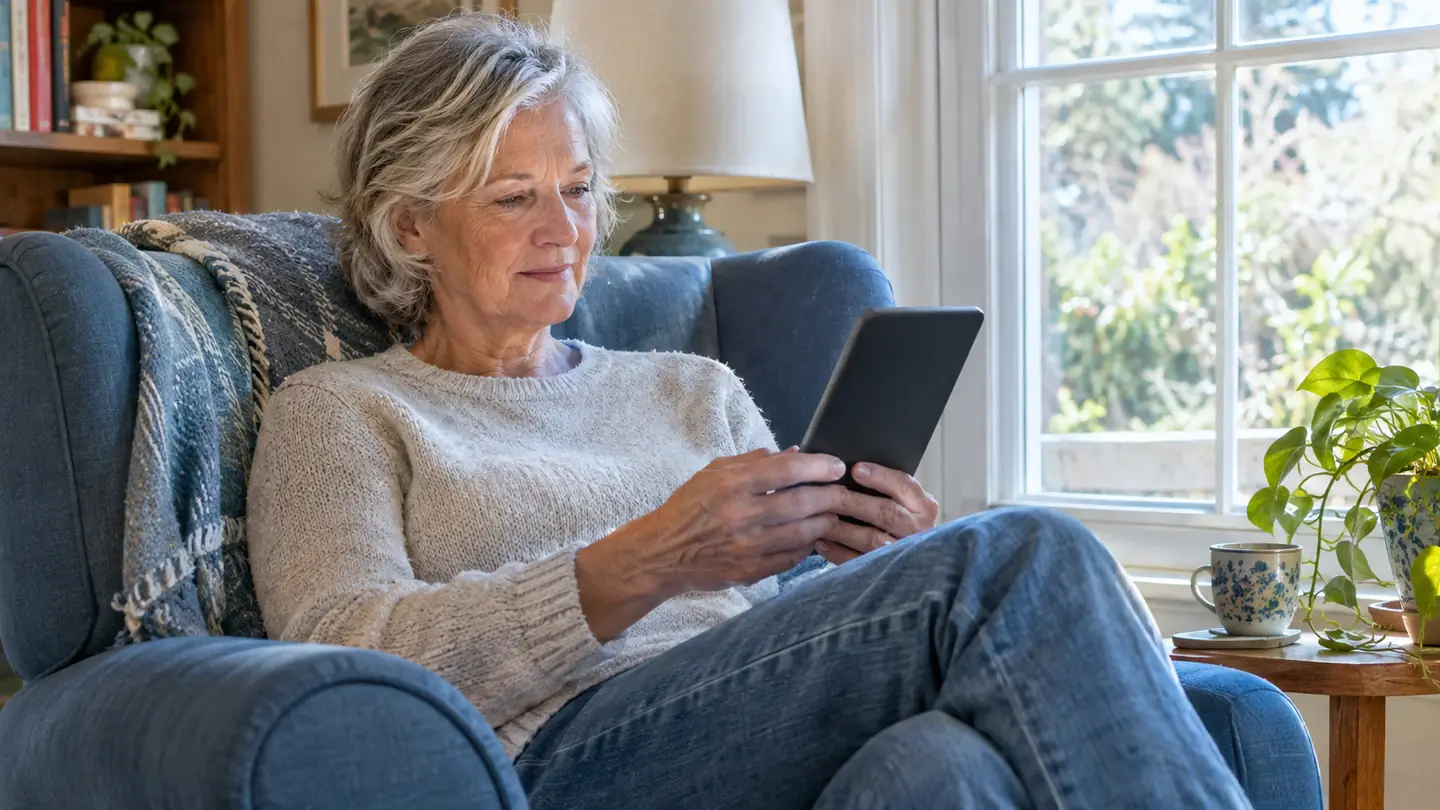
For the past ten months, my nights have ended the same way: me in bed, reading glasses on, an Amazon Kindle Paperwhite in its stand case, warm light turned up. I'm a retired middle-school librarian who reads two or three books a week, mostly mysteries and historical fiction, and I've been through enough reading devices to know the gap between a good one and a great one rarely shows up on a spec sheet. It shows up at 10 p.m., when the screen either does or doesn't hurt your eyes. It shows up on page 200 of a library book, when the battery either does or doesn't die. And it shows up in the small rituals of getting a borrowed book onto the screen without a fight.
So when someone asks whether the Kindle Paperwhite or the Kobo Clara BW is the better buy, I answer with a question of my own: where do your books come from? If you live inside Amazon's ecosystem, borrow through Libby, and read in long sittings, the Paperwhite is the stronger reader. If you want the library connection built into the device itself, prefer the open EPUB format, or want a smaller unit that disappears into a bag, the Clara BW has a genuine edge. I have owned the Paperwhite since December, and I have handled the Clara on the library's demo shelf more than once. This comparison is what I would tell a friend who had to choose this week.
Here is how this comparison came together. I have used the Kindle Paperwhite every single day since mid-December, which is about ten months of nights in bed, afternoons in the armchair, and summer mornings on the porch. The Kobo Clara BW I have only handled briefly, on the demo shelf at my local library, so I will not pretend to give it a long-term verdict the way I can for the Paperwhite. What I can offer is an honest account of what the Paperwhite has done for me over those ten months, what I could see and feel of the Clara in the time I spent with it, and where each device genuinely earns its place in a reader's life.
Before I get into the long-term picture, here is the short version in a table. I have kept it to the rows that actually decided things for me, and I have marked the honest ties as ties rather than pretending one device wins everything. The winner column is my call based on ten months with the Paperwhite and a careful look at the Clara. Where your priorities differ, your call may differ too, and I explain each row in the sections that follow.
| Kindle Paperwhite | Kobo Clara BW | |
|---|---|---|
| Screen | 7-inch glare-free e-ink; more text per page, fewer page turns | More compact; easier to hold one-handed and slip into a bag |
| Page-turn buttons | None; you tap or swipe | None; you tap or swipe |
| Library loans | Borrow in Libby on your phone, then tap 'Read with Kindle' | Built-in OverDrive/Libby; browse and borrow right on the device |
| File formats | Library books arrive converted to Kindle format | Reads EPUB natively, the standard library format |
| Reading ecosystem | Purchases and library loans all in one place | Feels more like a library tool and less like a storefront |
| Best for | Heavy readers who want a bigger screen and Amazon's catalog | Library-first readers who want compact size and EPUB |
Where the Kindle Paperwhite Wins
The biggest difference I feel every night is the screen. The Paperwhite's 7-inch glare-free display shows noticeably more text per page than the more compact Clara, so I turn pages less often and my reading rhythm stays intact. That matters more than it sounds. When you read for an hour or two at a stretch, the size of the page decides how often you interrupt yourself, and the Paperwhite keeps those interruptions to a minimum. I also set the type a little larger than default these days, and there is still plenty of room on the page, even in a two-column mystery. On a smaller screen, the same type size makes each page feel crowded and turns what should be a relaxing hour into a restless one. For a heavy reader, page size is not a luxury; it is the whole job.
The boring details are where the Paperwhite has earned my trust over ten months. The battery lasts weeks, so I charge it every few weeks and then stop thinking about it entirely. It is waterproof, which is a comfort on the back porch in summer when a passing shower rolls in. And the warm light, which I turn up every evening, is the reason my eyes no longer ache the way they did when I tried reading on a bright backlit tablet at night. The Paperwhite lives in a CoBak stand case that folds to a single fixed angle, which works on the kitchen counter and on a tray, though it tips over on soft surfaces, so in bed I just hold it. That case has already saved the reader once when I knocked it off the counter onto tile. No damage, which tells me the combination is built for real life.
The ecosystem flow deserves its own mention, because it is the part people do not see until they live with it. When I borrow a book through my library, I find it in the Libby app on my phone and tap 'Read with Kindle.' Within seconds it is on the Paperwhite, synced and ready, and it sits in the same library as the books I buy, so I never have to remember which device holds what. Amazon makes that handoff almost invisible, and for a reader who borrows most of her books and buys the rest, invisible is exactly what I want. The Clara can do something similar through its built-in OverDrive, but it works from the device instead of the phone, and I will give it full credit in a moment.
The battery lasts weeks, the warm light is on every evening, and the book I borrowed from the library is on the screen seconds after I tap 'Read with Kindle.'
Where the Kobo Clara BW Wins
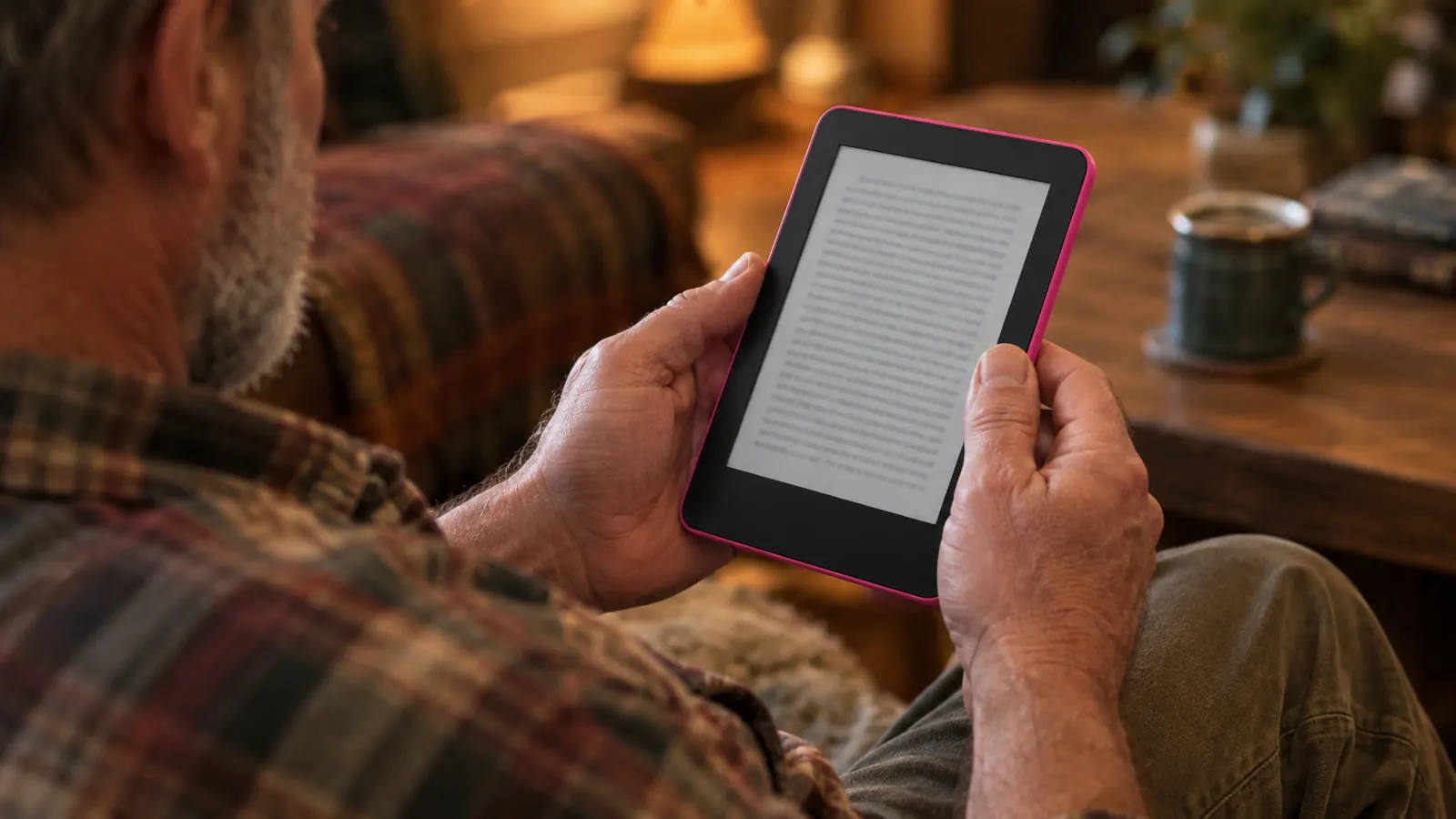
The Clara's strongest card is the library connection, because it is built into the device rather than routed through your phone. On the Kobo, OverDrive and Libby are part of the reading software itself, so you can browse your library's catalog, borrow a title, and watch it download without ever pulling out your phone. I know the Kobo software well because I own a Kobo Libra Colour for the days my thumb arthritis flares up, and the Clara runs the same software in a smaller body. If your library is your main source of books, and you would rather not have a phone in the middle of the transaction, that is a genuine advantage. It is the main reason I tell library-first readers to give the Clara a serious look before they default to Amazon.
The Clara also wins on openness and portability. It reads EPUB natively, which is the format most libraries use, so a borrowed book simply opens instead of being converted on its way to the device. The demo unit I handled at the library was noticeably more compact than my Paperwhite, the kind of thing you drop into a small bag and forget about. And the Kobo's home screen put my books and the library front and center rather than pointing me toward a store. None of that makes it a better reader for me personally, because I read at home in long sittings and I am already comfortable in Amazon's world. But for a reader who wants the device to feel like a library tool first and a shop second, the Clara is the more honest choice. It is also the easier choice to recommend to someone who has never owned an e-reader and does not want to inherit an entire retail ecosystem by accident.
To be clear about the limits of what I can tell you: I only handled the Clara for a short while, so I cannot speak to its battery over months or how its screen ages. What I saw was sharp and pleasant. What I can say with confidence is that the things the Clara does differently are things the Paperwhite does not offer at all, namely browsing your library on the device and reading EPUB without conversion. If those matter to you, no amount of Paperwhite polish will make up for their absence.
For most heavy readers, the Paperwhite is the one.
Ten months of nightly use and I would make the same choice today. Strong star ratings on Amazon, fast delivery, and an easy return window if it is not for you. If your reading happens in bed the way mine does, this is the reader to start with.
Amazon Check Today's Price on Amazon →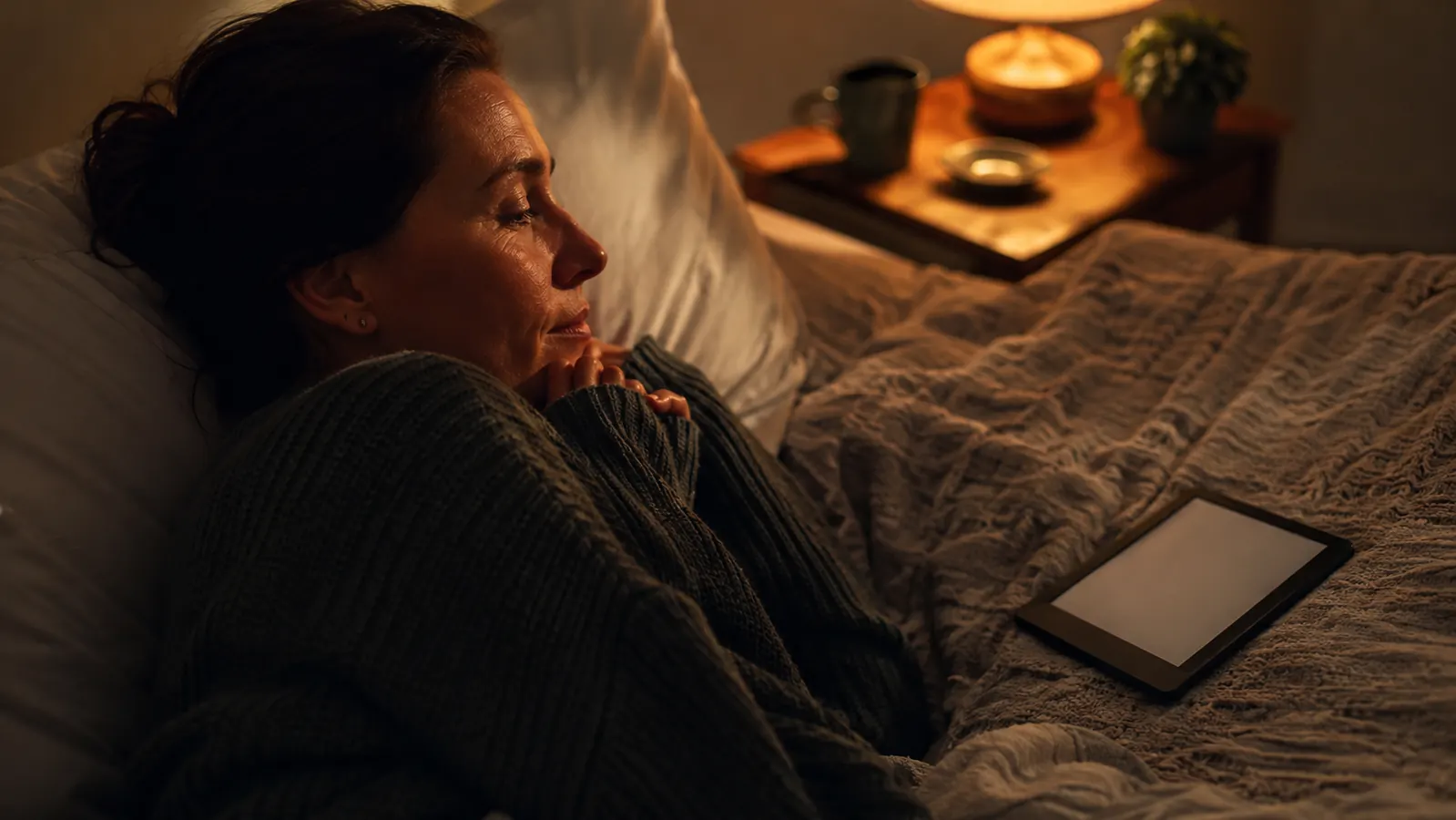
Who Should Buy Which
Buy the Paperwhite if you read in long sittings, if you already buy books through Amazon, if you want the warm light and the weeks-long battery, and if you are comfortable doing your library borrowing in the Libby app on your phone. That describes most of the heavy readers I know, and it describes me exactly. The screen size alone is worth the trade for anyone who reads an hour or more at a stretch, and the battery means you stop thinking about chargers altogether.
Buy the Clara BW if you want to borrow straight from your library without a phone in the middle, if EPUB matters to you, if you want a smaller device that disappears into a bag, or if you would rather not feed Amazon's ecosystem at all. The Clara is the more independent reader, and for some people that independence is the entire point. It is also the better choice if you travel light, read mostly on the go, or simply prefer a device that asks nothing of you beyond the book in front of you.
One honest note before you decide. If your hands ache the way mine do on bad days, neither of these devices has physical page-turn buttons, and tapping is the exact motion that hurts. That is why I also own a Kobo Libra Colour, which has buttons on one side and rotates so I can hold it in either hand. If buttons are a need rather than a nice-to-have, look at the Libra line and treat this comparison as the background you needed to get there. For everyone else, the choice comes down to where your books live.
The Bottom Line
After ten months, I reach for the Paperwhite every night, and I would not trade it for the Clara. The screen is bigger, the battery is genuinely a weeks-long affair, and the warm light has made my evenings comfortable again. But I want to be honest about what that verdict does and does not mean. It means the Paperwhite is the better reader for me, for my library, for my bedtime routine, and for the way my eyes behave after dark. It does not mean the Clara is a bad device. It is a good one, with a different philosophy, and for a reader whose books come from the library and whose patience for retail is short, the Clara may be the better fit.
Here is the test I would give you. Open the Libby app on your phone and look at your next hold. If the thought of tapping 'Read with Kindle' and having the book appear on a 7-inch screen with warm light sounds good, the Paperwhite is your reader. If the thought of skipping the phone entirely and browsing your library on the device itself sounds better, the Clara is worth your money. Both are good e-readers. They simply serve different reading lives, and the honest answer to which one is better is the one that matches yours. And if you are still torn, buy from a place with an easy return window and spend a week with your actual library account on the actual device. That week will tell you more than any review, including this one.
Ten months in, I would buy the Paperwhite again.
If your books come from Libby and your reading happens in bed, this is the reader that holds up. Strong star ratings on Amazon, fast delivery, and an easy return window if it is not for you. Check today's price and decide for yourself.
Amazon Check Today's Price on Amazon →